


Comprehensive List of Optical Fiber Accessories - Fiber Optic Essentials Overview
- Admin

- Jul 4
- 3 min read
Optical fiber networks demand precision and quality. Every component matters. Accessories ensure smooth installation, maintenance, and performance. I focus on key items that support fiber optic systems. This guide covers essential accessories. It helps you choose the right tools and parts for your projects.
Fiber Optic Essentials Overview
Fiber optic accessories improve network reliability. They protect fibers, connect cables, and manage signals. Without them, installations face delays and failures. I list common accessories and explain their roles.
Fiber Optic Connectors: Join fibers with low loss. Types include SC, LC, ST, and FC. Each suits different equipment and environments.
Splice Closures: Protect fiber splices from moisture and damage. Used in underground and aerial installations.
Patch Panels: Organize fiber connections in racks. Allow easy access and management.
Cable Management: Includes trays, ducts, and ties. Prevents fiber bending and damage.
Cleaning Tools: Keep connectors and fibers free of dust and oil. Essential for signal quality.
Test Equipment: OTDRs, power meters, and light sources. Verify fiber integrity and performance.
These accessories form the backbone of any fiber optic network. They ensure durability and efficiency.
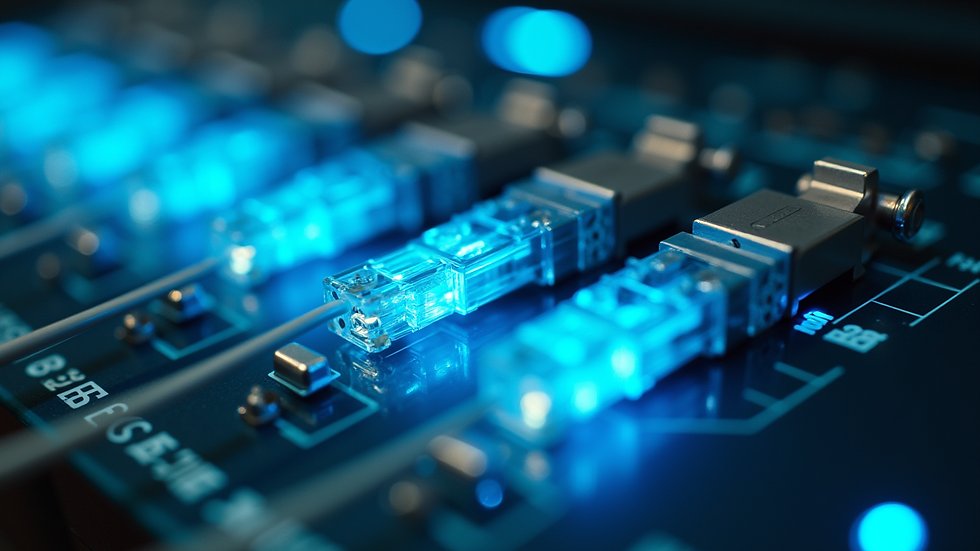
Types of Optical Fiber Accessories and Their Uses
Each accessory serves a specific purpose. Understanding their functions helps in planning and execution.
Connectors and Adapters
Connectors terminate fiber ends. They enable quick connections and disconnections. Adapters join two connectors. Common types:
SC (Subscriber Connector): Snap-in, widely used in telecom.
LC (Lucent Connector): Small form factor, ideal for high-density setups.
ST (Straight Tip): Bayonet style, common in legacy systems.
FC (Ferrule Connector): Screw-on, used in high-vibration environments.
Splicing Accessories
Splicing joins two fiber ends permanently. Accessories include:
Heat Shrink Tubes: Protect spliced fibers.
Splice Trays: Organize and secure splices inside closures.
Fusion Splicers: Machines that fuse fibers with precision.
Enclosures and Closures
Protect fiber splices and connectors from environmental damage.
Aerial Closures: Weatherproof for overhead cables.
Underground Closures: Sealed for buried cables.
Wall-Mount Boxes: Indoor protection for fiber terminations.
Cable Management
Proper routing and securing of cables prevent damage.
Cable Ties and Velcro Straps: Bundle fibers neatly.
Cable Trays and Ducts: Guide cables along walls or ceilings.
Bend Radius Protectors: Prevent sharp bends that cause signal loss.
Testing and Cleaning Tools
Maintaining fiber quality requires regular testing and cleaning.
Optical Power Meters: Measure signal strength.
OTDR (Optical Time Domain Reflectometer): Detect faults and measure fiber length.
Cleaning Kits: Include wipes, swabs, and cleaning fluids for connectors.
What are the 5 components of fiber optic cable?
Understanding the cable structure helps in selecting accessories.
Core: The glass center that carries light signals.
Cladding: Surrounds the core, reflects light back into it.
Buffer Coating: Protects the core and cladding from damage.
Strength Members: Provide tensile strength, often made of aramid yarn.
Outer Jacket: The protective outer layer against environmental hazards.
Each component requires specific handling and protection. Accessories like buffer tubes and strength members support these parts during installation.

Installation Accessories for Fiber Optic Networks
Installation demands precision and the right tools. Accessories simplify the process and improve outcomes.
Cable Pulling Grips: Secure cables during pulling to avoid damage.
Conduit and Ducts: Protect cables underground or inside buildings.
Cable Markers and Labels: Identify cables for easy troubleshooting.
Fiber Optic Strippers: Remove protective coatings without damaging fibers.
Splice Protectors: Shield spliced fibers during handling.
Using these accessories reduces installation time and errors. They also extend network lifespan.
Maintenance and Repair Accessories
Networks require ongoing care. Accessories help maintain performance and fix issues quickly.
Connector Boots and Caps: Protect connectors when not in use.
Patch Cords and Pigtails: Replace damaged fibers or extend connections.
Fiber Optic Cleaning Pens: Clean connectors in the field.
Splice Repair Kits: Fix broken fibers without full replacement.
Cable Repair Sleeves: Seal damaged cable jackets.
Regular maintenance with these accessories prevents downtime and costly repairs.
Final Thoughts on Fiber Optic Accessories
Choosing the right accessories is critical. They ensure network stability and efficiency. I recommend investing in quality parts and tools. Proper use of accessories supports India's growing digital infrastructure. It aligns with WAVONICS®' goal to be a leading manufacturer in this space.
For a detailed optical fiber accessories list, explore trusted suppliers and product catalogs. This helps in planning and procurement.
Stay updated on new accessories and technologies. They improve installation speed and network reliability. Use this guide as a reference for your next fiber optic project.


Comments